How to Choose a Surfboard for Beginners: A Complete Guide
Ready to hit the waves? This complete guide will help beginner surfers understand how to choose their first surfboard, covering different types, essential dimensions, and tips for buying new or used boards to kickstart your surfing journey safely and effectively.
Embarking on your surfing journey is an exhilarating experience, and the very first step to catching those waves is choosing the right surfboard. For beginners, this decision can feel overwhelming with countless options available. But don't worry, this complete guide is here to simplify the process, helping you select the perfect board to learn on and enjoy the thrill of surfing.
Starting with the right equipment is crucial for a positive learning experience. A suitable beginner surfboard won't just help you catch more waves; it will also make paddling easier, provide better stability, and ultimately accelerate your progression. Trying to learn on a board that's too small or difficult will only lead to frustration.
1. Beginner Surfboard: The star of the show! We'll cover how to choose the best one for you below.
2. Surfboard Leash: Essential for keeping your board attached to you after a wipeout.
3. Surf Wax: For grip on your board (unless it's a soft-top with textured deck).
4. Wetsuit (Optional but Recommended): Depending on water temperature, a wetsuit will keep you warm and comfortable.
For those new to surfing, certain types of surfboards offer more stability and ease of use, making the learning curve much smoother. Focus on boards that prioritize volume and surface area.
Foam Boards (Soft-Tops): Your First Best Friend
Foam boards, often called soft-tops, are the go-to recommendation for most absolute beginners. They are incredibly buoyant, stable, and forgiving. Their soft construction makes them safer for both the surfer and others in the water, reducing the risk of injury from an impact. They are also highly durable and can take a beating, which is inevitable when you're learning to surf. While they might not be the most agile boards, their ability to catch waves easily and provide a stable platform for standing up is invaluable.
Longboards: The Classic Cruiser
Longboards are another excellent choice for beginners, especially for adult learners or those seeking a more traditional surfing experience. Their generous length and volume provide exceptional stability and make paddling and catching waves (even small ones) much easier. Longboards offer a smooth glide and are perfect for learning to trim and cross-step. However, their size can make them challenging to transport and maneuver in crowded lineups, and "duck diving" (going under waves) is nearly impossible on a large longboard.
Once you've decided on a general type of board, understanding its dimensions—length, width, and thickness—is crucial. These three factors directly impact how a board paddles, floats, and catches waves.
Step 1: Length - Glide and Stability
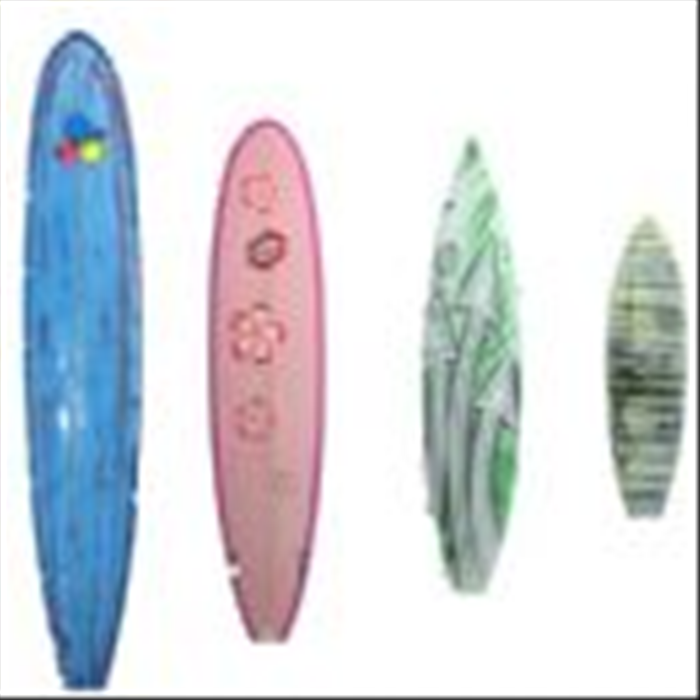
Longer boards offer more stability and make paddling much easier, which is vital for beginners to catch waves. For your first surfboard, aim for a board that is significantly taller than you, ideally between 7 to 9 feet for soft-tops or longboards. The extra length provides a larger planing surface, helping you glide into waves with less effort.
Step 2: Width - A Stable Platform
A wider surfboard provides a more stable platform, making it easier to balance and stand up. Look for boards with a width of 21 inches or more. This added width contributes significantly to the board's overall volume, which, as we'll discuss, is a key factor for beginners.
Step 3: Thickness - Buoyancy is Key
Thickness directly impacts the board's buoyancy. A thicker board will float higher on the water, making it easier to paddle, more stable, and quicker to catch waves. Beginners should opt for boards with a thickness of 3 inches or more. More volume (a combination of length, width, and thickness) is your best friend when you are learning to surf, as it helps you float and catch waves effortlessly.
Remember, the less experience you have, the larger dimensions you need to learn to float and to catch waves. As you advance and improve your skills, you can gradually reduce these dimensions to increase the board's maneuverability.
Choosing a surfboard isn't just about the board; it's also about you and the waves you'll be surfing. Consider these personal factors:
Your Weight and Height
Generally, heavier and taller surfers will need more volume (longer, wider, thicker boards) for adequate flotation and stability. A good rule of thumb for beginners is to aim for a board that is at least a foot or two taller than you, with generous width and thickness.
Your Fitness Level
Surfing requires paddling endurance. If your fitness level is lower, a board with more volume will be more forgiving and require less strenuous paddling to catch waves. A more athletic beginner might manage with slightly smaller dimensions, but volume is still king for learning.
Typical Wave Conditions for Learning
Where will you be surfing? If you're learning in small, gentle, or "mushy" waves, a high-volume board is essential for catching them. If by chance you have access to slightly larger, more powerful waves (with appropriate guidance!), a board with a bit less volume might still work, but always err on the side of more volume for learning. Understanding basic wave types will greatly aid your progress; typically, beginners seek out white water (already broken waves) or small, unbroken rollers.
Buying a used surfboard can be a cost-effective way to get into surfing, but it requires careful inspection to avoid common pitfalls.
Step 1: Inspect for Dings and Damage
Thoroughly examine the entire board for any cracks, dings, or holes. These can allow water to seep into the board, causing it to delaminate or become waterlogged, which severely affects performance and durability. Pay close attention to the nose, tail, rails (edges), and bottom of the board. Minor dings can be repaired, but extensive damage can be costly or even impossible to fix.
Step 2: Check the Fin Boxes and Leash Plug
Check the fin boxes to ensure they are solid and don't have any cracks around them. Make sure the leash plug (where your leash attaches) is firmly in place and not loose or cracked. These are critical points for safety and function.
Step 3: Feel for Soft Spots
Gently press on different areas of the board, especially on the deck. If you feel any soft spots or areas that depress easily, it could indicate water damage or delamination, which means the fiberglass layers are separating from the foam core. Avoid boards with significant soft spots.
Surfer, you should know that this is your first surfboard and likely not your last! While a used board can be a great starting point, avoid boards with significant, unsealed damage or extensive soft spots, as these can quickly become waterlogged and unrepairable, costing you more in the long run. Prioritize a board in good, water-tight condition.
Choosing your first surfboard is an exciting part of becoming a surfer. Don't overthink it too much, but do make an informed decision. The goal is to get a board that makes learning as easy and fun as possible. You'll likely upgrade as your skills improve, but for now, focus on stability, buoyancy, and durability.
This is your first surfboard, not your last one. Choose the appropriate sizes for your skill level now, and enjoy the process of learning. As you progress, your preferences will evolve, and you'll gain a better understanding of what kind of board suits your advancing style.
With this guide, you're now equipped with the knowledge to select the perfect beginner surfboard. Get ready to paddle out, catch some waves, and experience the incredible joy of surfing!