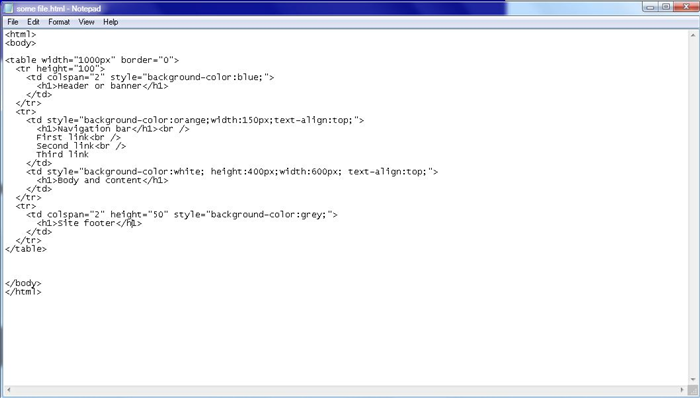
How to Design a Website: A Comprehensive DIY Guide
Learn how to design an effective website from scratch with this beginner-friendly DIY guide. Master user-friendly website design, navigation best practices, and create a powerful online presence for your small business or personal brand.
Designing a website might seem daunting, but it's an incredibly rewarding DIY project that empowers you to create your own corner of the internet. Whether you're building a platform for your small business, a personal portfolio, or a community hub, an effective website design is crucial for making a positive first impression and engaging your audience. This comprehensive guide will walk you through the essential steps on how to design a website that's both beautiful and functional, even if you're a complete beginner.
1. Define Your Purpose and Audience


Before diving into colors and layouts, clarify *why* you need a website and *who* it's for. Your website's purpose could range from selling products, sharing information, building a community, or showcasing your work. Understanding your target audience – their demographics, interests, and needs – will inform every design decision, from content tone to visual style. This foundational step is key to creating a truly user-friendly website design.
Conduct a simple audience survey or create 'buyer personas' to get a clearer picture of your ideal visitor. What problems can your website solve for them?
2. Plan Your Content Strategy

Once you know your purpose and audience, it's time to think about the information your website will host. What pages do you need (e.g., Home, About, Services, Contact, Blog)? What key messages do you want to convey on each page? A robust content strategy ensures you have a clear roadmap for what content to create and how it will support your website's goals. This step lays the groundwork for effective website design.
3. Sketch Your Site Structure (Sitemap & Wireframes)

Visualize your website's architecture. A sitemap is like a table of contents, showing how all your pages connect. Wireframes are basic, grayscale blueprints of individual pages, outlining where elements like navigation menus, images, and text blocks will go. This helps you plan your website layout tips and ensure intuitive website navigation best practices without getting sidetracked by aesthetics.
Use pen and paper, a whiteboard, or free online tools like Figma or Miro for simple wireframing. Focus on functionality, not design.
4. Choose Your Platform and Tools

The next step in how to design a website is selecting the right technology. For beginners or small business website design, Content Management Systems (CMS) like WordPress (self-hosted or WordPress.com) or website builders like Squarespace, Wix, or Shopify are excellent choices. They offer templates and drag-and-drop interfaces, simplifying the design process without needing to code. For more advanced users, custom coding (HTML, CSS, JavaScript) offers maximum flexibility.
5. Design Your User Interface (UI) and User Experience (UX)
This is where your vision comes to life. UI (User Interface) focuses on the visual elements – colors, typography, imagery, and button styles. UX (User Experience) considers the overall feeling of interacting with your site – is it easy to navigate, enjoyable, and efficient? Pay attention to readability, consistent branding, and intuitive navigation. A good UI/UX design is fundamental to an effective website design.
Stick to a limited color palette (2-3 main colors) and font pairings (1-2 fonts) for a cohesive and professional look. Prioritize white space to prevent clutter.
6. Implement Responsive Design
With more people browsing on phones and tablets, responsive design is non-negotiable. This means your website automatically adjusts and looks great on any screen size. Most modern website builders and CMS themes are built with responsiveness in mind, but always double-check during the design and testing phases. Ensure your website design is effective across all devices.
Failing to optimize for mobile devices can significantly harm your search engine rankings and user satisfaction. Always test your site on various devices.
7. Create Engaging Content
With your design framework in place, fill your website with compelling content. Write clear, concise, and SEO-friendly text that speaks directly to your audience. Use high-quality images and videos to break up text and add visual interest. Remember to include calls-to-action (CTAs) that guide users on what to do next, whether it's 'Buy Now,' 'Learn More,' or 'Contact Us.' This is crucial for creating an effective personal website or small business site.
8. Test and Refine Your Website
Before launching, rigorously test every aspect of your website. Check all links, forms, and interactive elements. Test on different browsers (Chrome, Firefox, Safari) and devices (desktop, tablet, mobile). Ask friends or colleagues to navigate your site and provide feedback on usability and clarity. This iterative process of testing and refining is vital for a user-friendly website design.
9. Launch Your Website!
Once you're confident in your design and content, it's time to go live! If you're using a website builder, this is usually a simple click of a 'Publish' button. If self-hosting, it involves pointing your domain name to your hosting provider. Don't forget to set up analytics (like Google Analytics) to track your website's performance from day one.
10. Maintain and Update Regularly
Launching your website isn't the end; it's the beginning. Regularly update your content, check for broken links, and keep your software (if using a CMS) current for security and performance. Monitor your analytics to understand user behavior and make continuous improvements. An effective website design is a living project that evolves over time.
Designing your own website can be a rewarding journey. By following these steps, you'll be well on your way to creating a powerful online presence that serves your purpose and delights your visitors. Remember, the best website design is one that is continually improved based on user feedback and changing trends. Happy designing!