How to Take Amazing Photos of Your Pets: A Complete DIY Guide
Capture stunning photos of your furry friends with this comprehensive DIY guide. Learn camera settings, lighting, composition, and editing for captivating pet portraits.
Our pets are more than just animals; they're cherished family members with unique personalities, hilarious quirks, and heartwarming expressions. Learning how to take amazing photos of your pets allows you to capture these precious moments, creating lasting memories and beautiful portraits of your best friends. Whether you're a beginner with a smartphone or have a DSLR, this guide will equip you with the essential pet photography tips and techniques to capture their captivating personalities.
Introduction to Pet Photography: Principles and Patience
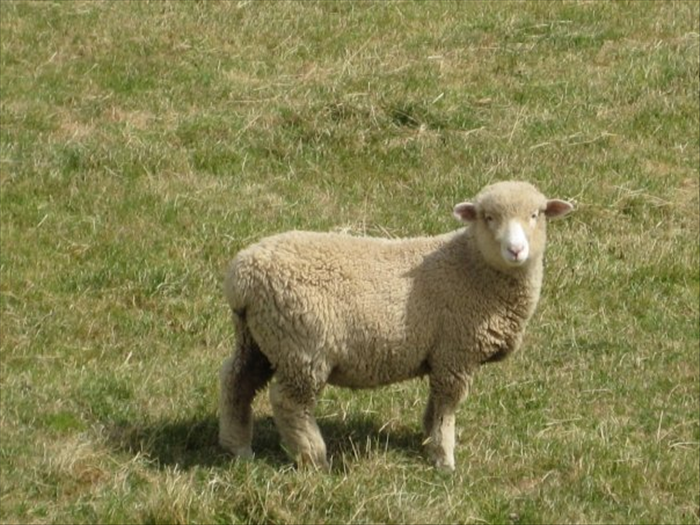

Pet photography is a unique blend of technical skill and deep empathy. Unlike human models, pets can't always follow directions, making patience your most valuable tool. Start by understanding their natural behavior, building trust, and creating a comfortable environment. Observe their habits and expressions to anticipate those perfect moments. Remember, the goal of beginner pet photography is to capture their authentic self.
Spend time playing with your pet before the shoot to tire them out slightly and get them accustomed to the camera. This helps in making your pet comfortable during photoshoots.
Essential Gear & Camera Settings for Capturing Pets


To get sharp, well-exposed animal photography guide shots, mastering your camera settings is crucial.
Camera Body: A DSLR or mirrorless camera offers flexibility, but modern smartphones are increasingly capable.
Lenses: A fast prime lens (e.g., 50mm f/1.8) is excellent for blurry backgrounds (bokeh) and low light. A zoom lens (e.g., 70-200mm) is great for capturing energetic cats or dogs from a distance without disturbing them.
Key Camera Settings:
- Aperture (f-stop): Use a wide aperture (smaller f-number like f/1.8-f/4) to blur the background and make your pet stand out, especially for pet portrait photography.
- Shutter Speed: For action shots of energetic dogs or playful cats, a fast shutter speed (1/500 sec or faster) is essential to freeze motion. For stationary portraits, 1/125 sec is usually sufficient.
- ISO: Keep your ISO as low as possible (100-400) for cleaner images, increasing it only when necessary in low light, such as indoor pet photography.
Use continuous autofocus (AI Servo for Canon, AF-C for Nikon) and burst mode (continuous shooting) to increase your chances of getting a perfectly sharp shot of a moving pet. These are the best camera settings for pets in action.
Techniques for Photographing Different Types of Pets

Each pet has its own personality and photographic challenges. Adapting your approach will lead to better results.
Tips for Photographing Dogs: Dogs are often eager to please, making them good subjects. Get down to their eye level for a more engaging perspective. Use toys or treats to get their attention. Capture them during play for dynamic shots, or during a quiet moment for expressive portraits. For how to take good pictures of your dog at home, utilize natural window light.
How to Photograph Cats: Cats are more independent. Patience is key! Capture them in their natural environment, whether they're napping in a sunbeam or stalking a toy. Use a fast shutter speed to catch quick movements, and look for those fleeting moments of curiosity or affection. For easy tips for photographing energetic cats, use a telephoto lens to give them space and capture candid moments.
Small Animals (e.g., hamsters, birds, fish): These require quick reflexes. Use macro lenses for close-ups of small details. Maintain a quiet environment to avoid startling them. For aquariums, minimize reflections and use external lighting if possible.
Composition & Lighting: Crafting Stunning Pet Portraits

Good composition and lighting can transform a snapshot into a work of art.
Composition:
- Rule of Thirds: Place your pet off-center, along the intersecting lines or points, for a more balanced and interesting image.
- Eye Level: Always get down to your pet's eye level. This creates a more intimate and engaging portrait.
- Leading Lines & Framing: Use elements in the environment (fences, paths, doorways) to draw the viewer's eye towards your pet or frame them within the scene.
Lighting:
- Natural Light: This is almost always the best option. Soft, diffused natural light (e.g., near a window or outdoors on an overcast day) creates flattering images without harsh shadows. Avoid direct midday sun, which can be too harsh and cause squinting.
- Golden Hour: The hour after sunrise and before sunset provides beautiful, warm light for outdoor pet photography. It’s perfect for capturing pet personality with a glowing effect.
For the best natural light for pet photos, position your pet so the light comes from the side or slightly behind, creating depth and highlighting their fur.
Basic Editing & Post-Processing for Enhanced Pet Photos
Even the best photos can benefit from a little post-processing. Basic editing can enhance colors, sharpen details, and correct minor imperfections.
- Cropping: Improve composition by cropping out distractions and focusing on your pet.
- Exposure & Contrast: Adjust brightness and contrast to make your image pop. Be careful not to overdo it.
- Color Correction: Correct white balance for accurate colors. Enhance vibrancy and saturation subtly.
- Sharpening: Apply a touch of sharpening to bring out details in your pet's fur and eyes.
- Spot Removal: Remove any distracting elements like leash reflections or minor blemishes.
Safety, Ethics & Responsible Pet Photography
Your pet's well-being is paramount. A successful photoshoot is one where your pet feels safe and happy.
- Prioritize Comfort: Never force your pet into poses they're uncomfortable with. If they show signs of stress (tail tucked, ears back, excessive yawning, lip licking), take a break.
- Safe Environments: Always photograph your pet in a secure, familiar environment. Be mindful of potential hazards.
- Respect Boundaries: If photographing other people's pets, always get explicit permission from the owner. Respect their privacy and wishes regarding image usage.
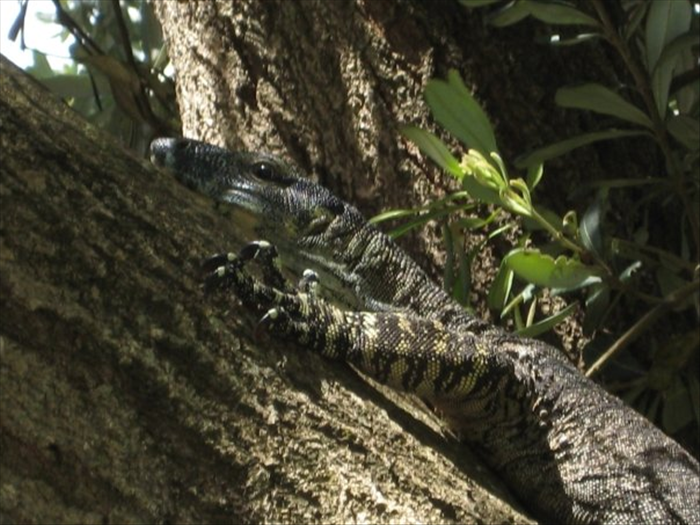
- No Wild Animals: This guide focuses solely on photographing *pets*. Never attempt to photograph wild animals from a close distance. They may perceive you as a threat, become startled, and attack. Their safety, and yours, should always be the top priority.
Safety first! Do not take pictures of wild animals. They may perceive you as a threat, you may startle them and they can attack! This guide is for photographing your domestic pets in a safe, controlled manner.
With these pet photography tips and a bit of practice, you'll be able to capture stunning images that truly reflect the love and joy your pets bring into your life. Embrace the challenge, enjoy the process, and soon you'll have a gallery full of amazing photos of your furry, feathered, or scaled friends!