How to Play the Card Game War: Simple Rules for Two Players
Learn to play the classic card game War with our easy-to-follow guide. Perfect for two players, great for kids, and ideal for family fun!
The card game War is a timeless classic, beloved for its simplicity and fast-paced action. Perfect for two players, it's a fantastic way to pass the time with family or friends and even helps younger players with number recognition and comparison. Grab a deck, learn the basic rules, and get ready for a battle of cards!
Gather Your Supplies
Before you dive into the battle, make sure you have a complete deck of 52 standard playing cards. Remove any jokers to keep the game fair and consistent. That's all you need!
Deal the Cards Evenly
First, give the deck a thorough shuffle to mix the cards well. Then, deal all cards face down, one at a time, to each of the two players until the entire deck is distributed. Each player should end up with exactly 26 cards, forming their own face-down draw pile.
Start Basic Gameplay
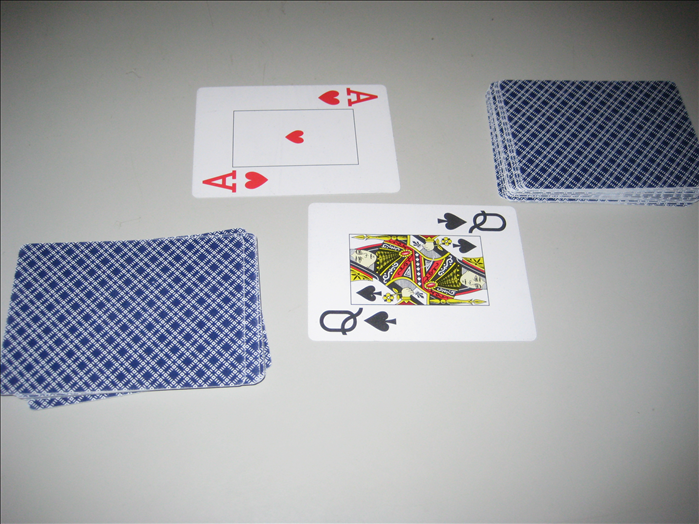
To begin a round, both players simultaneously flip over the top card from their face-down pile. The player whose card has the higher rank wins both cards from that round. They then place these won cards face-up at the bottom of their own pile. Remember, Aces are considered the highest card in War, followed by Kings, Queens, Jacks, and then numbers from 10 down to 2. Suits do not matter in this game – only the rank counts! If both players reveal cards of the same rank, you've got a 'War' on your hands!
Understanding card ranks is key! A simple way to remember: Ace is highest, 2 is lowest. If playing with very young children, you can even remove face cards and just play with numbers for simpler comparison.
Declare and Resolve a 'War'
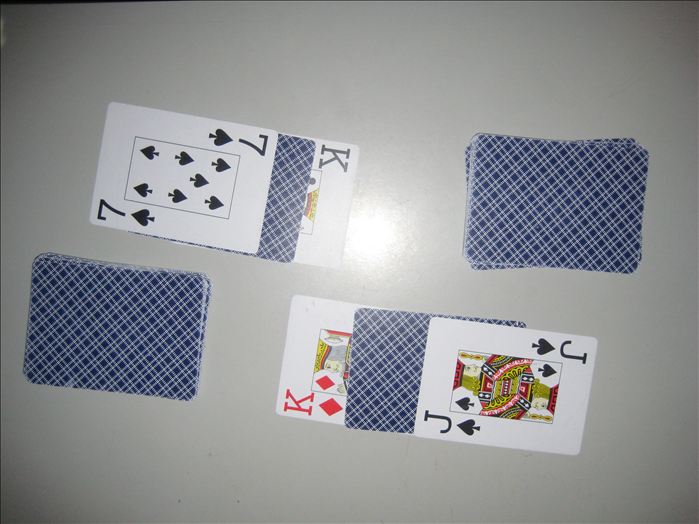
When both players play cards of equal rank, a 'War' is declared! This is where the game gets exciting. To resolve a War, both players first place three additional cards from their face-down pile onto the table, face down. These are your 'soldiers'. Immediately after, each player places one final card face up next to their face-down cards. The player with the higher face-up 'battle card' wins all the cards from that War – the two original tying cards, the six face-down 'soldier' cards, and the two new face-up 'battle' cards.
Ensure players understand the sequence during a War: three cards face-down first, then one face-up. Miscounting or revealing cards too early can cause confusion.
Handle Further Ties (Repeat War)
What happens if the face-up cards in a War are *also* of equal rank? Another War is declared! Simply repeat the process: each player places another three cards face-down, followed by one more card face-up. This continues until one player wins that specific War by playing a higher face-up card. The winner collects all the cards involved in the entire sequence of tying Wars.
Winning the Game
The objective of the card game War is simple: collect all 52 cards in the deck! Gameplay continues with players constantly battling, winning cards, and occasionally going to War, until one player has successfully amassed every single card. That player is then declared the ultimate winner of the War!
Tips for Teaching Children
War is an excellent game for teaching children basic numerical concepts. Encourage them to actively compare the numbers and identify which is higher. After each round, you can have them count the cards they've won, reinforcing early math skills. Most importantly, keep the atmosphere light and fun, especially if they're learning. The game can sometimes feel long, so focus on the process of learning and playing together rather than just winning.
The classic card game War offers endless simple fun for two players. With its easy-to-learn rules and engaging 'War' battles, it's a perfect addition to any family game night or a quiet afternoon with a friend. Grab a deck, deal those cards, and let the friendly competition begin!