How to Save on Gas: Ultimate Guide to Fuel-Efficient Driving & Car Maintenance
Cut your fuel costs with our ultimate guide! Learn fuel-efficient driving techniques, essential car maintenance tips, and smart strategies to improve gas mileage and save money.
What You'll Need
- how to save on gas
- fuel-efficient driving tips
- car maintenance for better gas mileage
- improve fuel economy
- reduce gas expenses
- gas mileage improvement
- eco-driving techniques
- lower fuel costs
- affordable ways to save gas
- how to improve gas mileage without a hybrid
- car maintenance tips to save fuel
- driving techniques to reduce gas consumption
- budget-friendly ways to save on petrol
In today's world, fuel costs can significantly impact your budget. But what if we told you that saving on gas doesn't necessarily require buying a new, fuel-efficient car? By adopting smarter driving habits and keeping up with essential vehicle maintenance, you can dramatically improve your gas mileage and reduce your expenses. This ultimate guide will walk you through actionable strategies to make your car more fuel-efficient, from mastering eco-driving techniques to understanding the nuances of your vehicle's upkeep. Get ready to drive smarter, save more, and contribute to a greener planet.
Mastering Fuel-Efficient Driving Techniques
The way you drive has the biggest impact on your car's fuel economy. By making a few adjustments to your habits, you can see significant improvements in your gas mileage.
### Smooth Acceleration and Braking
Aggressive driving, characterized by rapid acceleration and hard braking, wastes a lot of fuel. Aim for gradual acceleration and anticipate stops to allow for smooth deceleration. Imagine an egg under your accelerator pedal; gentle pressure is key.
### Maintaining a Steady Speed and Avoiding Excessive Speeding
Driving at high speeds uses more fuel due to increased aerodynamic drag. Most cars achieve optimal fuel efficiency between 50-60 mph. Use cruise control on highways to maintain a consistent speed and avoid unnecessary fluctuations that consume extra gas.
### Proper Gear Usage (Manual and Automatic)
For manual transmissions, shift into a higher gear as soon as possible without lugging the engine. This keeps RPMs lower, saving fuel. For automatic transmissions, avoid 'kick-down' by gently pressing the accelerator and allowing the car to shift smoothly.
### Anticipating Traffic and Road Conditions
Look ahead! By anticipating traffic lights, turns, and slowdowns, you can avoid unnecessary braking and acceleration. Coasting to a stop or through a turn, rather than accelerating and then braking sharply, is a hallmark of eco-driving.
### Minimizing Idling
An idling car gets zero miles per gallon. If you're going to be stopped for more than 30 seconds (excluding traffic), it's more fuel-efficient to turn off your engine and restart it when you're ready to go. Modern cars are designed for frequent starts.
Consider using smartphone apps that provide real-time feedback on your driving style. They can help you identify habits that are costing you fuel.
Essential Vehicle Maintenance for Better Gas Mileage
Regular car maintenance isn't just about longevity; it's crucial for improving fuel economy. Neglecting these basic checks can significantly increase your gas expenses.
### Checking and Maintaining Proper Tire Pressure
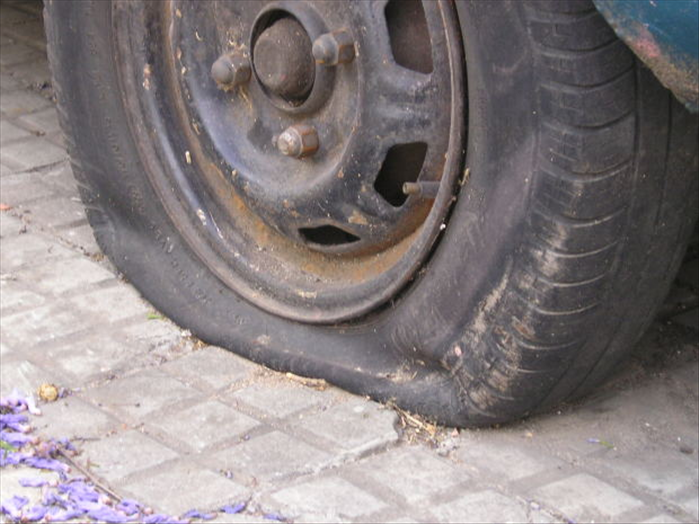
Under-inflated tires increase rolling resistance, forcing your engine to work harder and consume more fuel. Check your tire pressure at least once a month, including your spare, and inflate them to the manufacturer's recommended PSI (found on a sticker inside your driver's side door jamb or in your owner's manual).
### Regular Engine Servicing and Tune-Ups
A well-maintained engine runs more efficiently. Follow your vehicle's service schedule for oil changes, filter replacements, and spark plug checks. A properly tuned engine ensures all components are working in harmony, optimizing fuel consumption.
### Replacing Air Filters Regularly
A dirty air filter restricts airflow to the engine, making it work harder and consume more fuel. Replacing a clogged air filter can improve your gas mileage by up to 10%. This is an easy and affordable way to save gas.
### Inspecting and Replacing Spark Plugs
Fouled or worn spark plugs can cause misfires and reduce engine efficiency. Replacing old spark plugs ensures proper combustion, directly impacting your car's fuel economy.
### Using the Recommended Oil Type
Using the correct grade of motor oil recommended by your car manufacturer can improve gas mileage by 1-2%. Oils with lower viscosity (e.g., 5W-20 instead of 10W-30) reduce engine friction.
### Keeping Wheels Aligned
Improper wheel alignment can increase tire drag, similar to under-inflated tires. Regular alignment checks ensure your wheels are parallel and perpendicular to the ground, improving both fuel efficiency and tire life.
Smart Strategies to Reduce Fuel Consumption
Beyond driving habits and maintenance, smart planning and lifestyle choices can significantly lower your fuel costs.
### Combining Multiple Errands into Single Trips
Cold engines are less efficient. Combining several short trips into one longer trip allows your engine to warm up to its optimal operating temperature, saving fuel. Plan your route to minimize backtracking.
### Reducing Unnecessary Car Weight
Every extra pound your car carries requires more energy (and thus more fuel) to move. Remove anything heavy from your trunk or back seats that you don't need, such as sports equipment or heavy tools. A lighter car is a more fuel-efficient car.
### Effective Route Planning and Avoiding Rush Hour
Use GPS or mapping apps to find the most fuel-efficient route, avoiding areas known for heavy traffic or frequent stops. Sitting in traffic burns fuel with no mileage gained. Try to schedule drives outside peak rush hour times.
### Understanding the Impact of Roof Racks and External Accessories
Roof racks, cargo boxes, and bike carriers significantly increase aerodynamic drag, even when empty. Remove them when not in use to improve your gas mileage. The less resistance your car faces, the less fuel it consumes.
### Alternatives like Walking, Cycling, or Public Transport
For short distances, consider walking or cycling. For longer commutes, public transportation can be a cost-effective and environmentally friendly alternative to driving, drastically reducing your fuel consumption and carbon footprint.
The A/C vs. Open Windows Debate: What Saves More Gas?
This is a common question with a nuanced answer that depends largely on your speed.
### Aerodynamics at Higher Speeds (Open Windows Create Drag)
When driving at highway speeds (generally above 40-45 mph), open windows create significant aerodynamic drag. This drag forces your engine to work harder to maintain speed, often consuming more fuel than running the air conditioner.
### Engine Load from A/C at Lower Speeds
At lower speeds (city driving, stop-and-go traffic), the drag from open windows is minimal. In these conditions, running the air conditioner, which puts a load on the engine, will typically consume more fuel than driving with your windows down.
For optimal fuel economy: at highway speeds, close your windows and use the A/C. For city driving, open your windows or use the fan instead of the A/C.
Conclusion: Drive Smarter, Save More
Saving on gas isn't about one magic bullet; it's about a combination of smart habits and consistent vehicle care. By implementing the fuel-efficient driving techniques, adhering to regular car maintenance, and adopting smart planning strategies outlined in this guide, you're well on your way to significantly lowering your fuel costs and reducing your environmental impact.
Remember, every small change adds up. Start today by checking your tire pressure, planning your next errands, and practicing smoother acceleration. Drive smarter, save more, and enjoy the financial freedom that comes with improved fuel economy!