How to Wash Clothes by Hand: A DIY Guide to Gentle Laundry
Learn the art of hand washing clothes with this comprehensive DIY guide. Discover how to gently clean delicates, prevent shrinking, and save energy, ensuring your garments last longer and stay in pristine condition.
Washing clothes by hand is a gentle, effective, and often eco-friendly alternative to machine washing. Whether you're caring for delicate fabrics, don't have access to a washing machine, or simply want to extend the life of your favorite garments, learning how to hand wash clothes properly is an invaluable skill. This DIY guide will walk you through every step, ensuring your laundry comes out clean, fresh, and perfectly preserved.
Before you begin handwashing laundry, gather your supplies:
Step 1: Sort Your Laundry
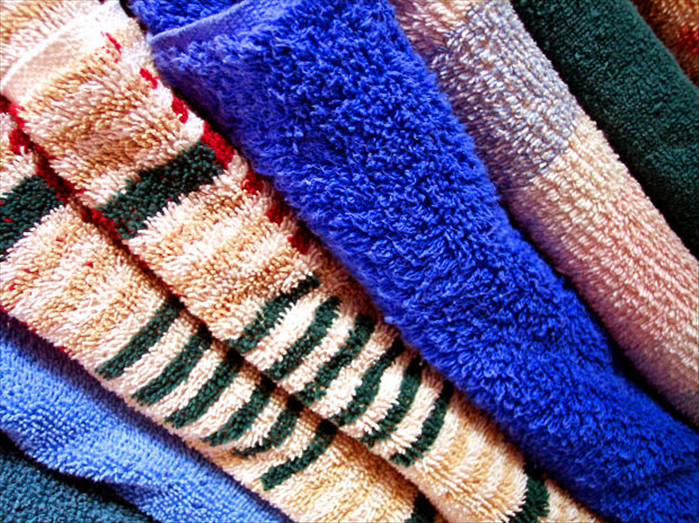
Separate your clothes by color and fabric type, just as you would for machine washing. This prevents dye transfer and ensures each item receives the appropriate care. Check garment care labels for specific instructions on water temperature and washing methods.
Step 2: Pre-Treat Stains
Before submerging your clothes, inspect them for any visible stains. Apply a small amount of stain remover or a dab of laundry detergent directly to the stain. Gently rub the fabric together or use a soft brush to work in the product, then let it sit for 5-10 minutes, depending on the product instructions. This crucial step helps in effectively removing tough marks during the hand wash process.
Step 3: Prepare the Water and Detergent
Fill your basin, tub, or sink with water at the appropriate temperature for your garments. Cold or lukewarm water is generally safe for most fabrics, especially colors and delicates, to prevent clothes shrinking and color fading. Hot water can be used for whites or heavily soiled items, but always check care labels first.
Add the recommended amount of gentle laundry detergent to the water. Swish the water around to dissolve the detergent completely, creating a soapy solution. Avoid using too much detergent, as it can be difficult to rinse out.
Step 4: Wash Your Clothes by Hand
Submerge one garment at a time into the soapy water. Gently agitate the item by swirling it around, squeezing it softly, and pressing it against the sides of the basin. Focus on areas that are typically dirtier, like collars and cuffs.
For Delicates (silk, lace, rayon, fine knits): Handle with extreme care. Swirl gently in the water and avoid any harsh scrubbing or twisting. A mesh laundry bag can offer extra protection.
For Synthetics and Cotton: These fabrics are generally more durable. You can be a bit more vigorous with gentle squeezing and swirling, but still avoid harsh scrubbing that could damage fibers.
For Wool: Always use cold water to prevent shrinking. Submerge the item and gently squeeze the soapy water through it. Do not rub, twist, or agitate excessively, as this can cause felting and shrinkage.
Never stretch, twist, or wring out delicate fabrics, especially wool and silk, as this can cause permanent damage or distortion.
Step 5: Rinse Thoroughly
Once you've finished washing, drain the soapy water. Refill the basin with clean, cool water. Submerge each garment and gently rinse by squeezing the water through the fabric until all traces of soap are gone. You may need to change the rinse water multiple times to ensure thorough rinsing. This is key to prevent residue that can irritate skin or stiffen fabrics.
Step 6: Dry Your Clothes by Hand
Carefully lift each garment from the rinse water. Gently press out excess water without twisting or wringing. Lay the item flat on a clean, dry towel. Roll the towel and garment together, pressing firmly to absorb as much water as possible. Repeat with a fresh towel if necessary.
For most garments: Hang them on a padded hanger or lay them flat on a drying rack, away from direct sunlight or heat, which can cause fading or damage.
For woolens and other delicate knits: Always lay them flat on a clean, dry towel or a flat drying rack to maintain their shape and prevent stretching. Reshape the garment as needed while it's damp.
To save time and energy, you can hand wash multiple items in the same water, starting with the cleanest and lightest-colored garments first and progressing to dirtier or darker items.
For a fresh scent, add a few drops of essential oil (like lavender or tea tree) to the rinse water.
Hand washing clothes offers a gentle and effective way to care for your garments, save money, and reduce your environmental impact. By following these detailed steps and tips, you'll ensure your clothes remain in excellent condition for years to come. Enjoy your beautifully clean, hand-washed laundry!