How to Do Basic Paper Weaving: Easy DIY Art & Creative Projects
Learn basic paper weaving with scrap paper! Discover easy techniques to create unique artwork, home decorations, and fun crafts for kids. Start your creative DIY art journey today.
What You'll Need
- Sturdy paper for the loom base (e.g., cardstock, construction paper, old cereal box)
- Various papers for weaving strips (e.g., colored paper, magazine pages, newspaper, gift wrap, old drawings)
- Glue stick or craft glue
- Ruler
- Pencil
- Scissors or craft knife (adult supervision recommended for children)
- Cutting mat (if using a craft knife)
Welcome to the wonderful world of paper weaving! This simple yet satisfying craft is a fantastic way to transform ordinary paper into unique artwork, thoughtful gifts, or charming home decorations. Whether you're a seasoned crafter or looking for an easy project for kids, basic paper weaving offers endless creative possibilities using materials you likely already have around the house. Get ready to turn scrap paper, magazines, or colorful cardstock into beautiful woven designs!
Prepare Your Loom Base
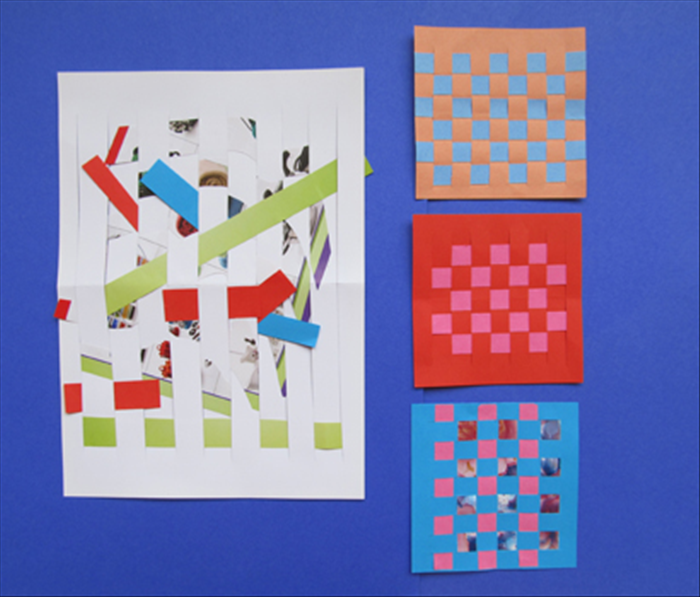
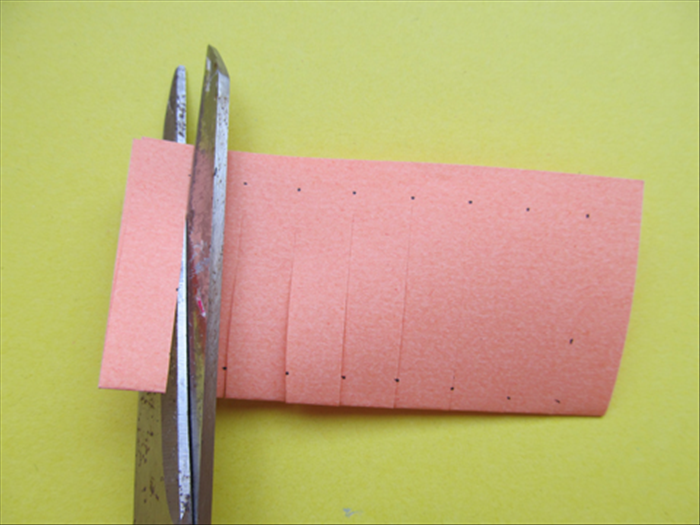
Choose a piece of sturdy paper or cardstock to be your loom base. Fold it in half lengthwise or widthwise, depending on the orientation you want for your final weave. Using a ruler and pencil, measure and mark cutting lines from the folded edge towards the open edge. Leave about a 1-inch (2.5 cm) margin along the open edge – do not cut all the way through! Space your cutting lines evenly, about 0.5 to 1 inch (1.2 to 2.5 cm) apart. Carefully cut along these marked lines with scissors or a craft knife. When you unfold your paper, you'll have a series of parallel slits, forming your 'loom'.
For an interesting texture, try using a slightly heavier paper or even thin cardboard for your loom base. The contrast in thickness between the base and your weaving strips can add visual appeal.
Cut Your Weaving Strips
Now it’s time to prepare your weaving strips. Select different types and colors of paper to create visual interest. Using a ruler and pencil, mark and cut strips that are slightly longer than the width of your loom base and approximately the same width as the cuts you made in your loom base (e.g., 0.5 to 1 inch / 1.2 to 2.5 cm). You’ll need enough strips to fill your loom. The more variety in color, pattern, and texture, the more dynamic your finished piece will be!
Always exercise caution when using scissors or a craft knife. If working with children, ensure adult supervision or pre-cut the strips for them to ensure safety.
Begin Weaving (Over-Under Technique)
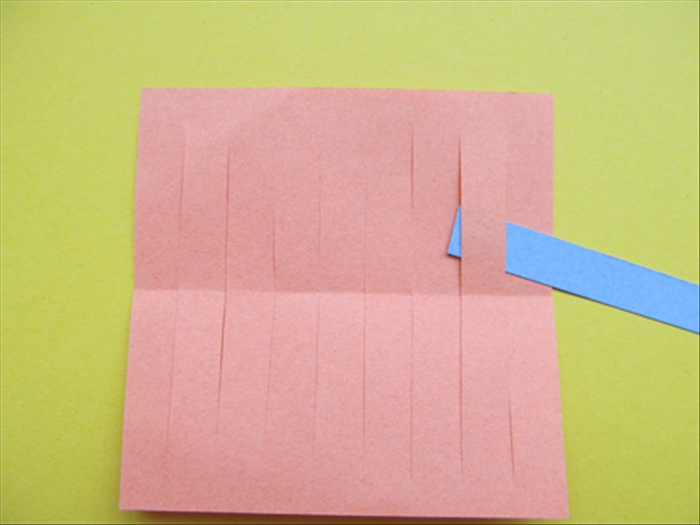
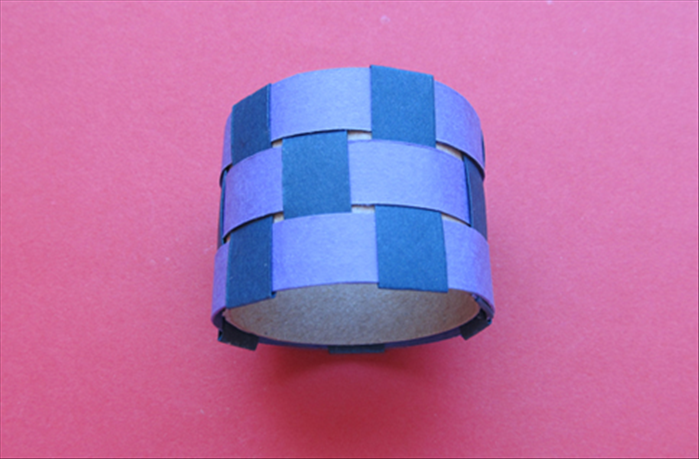
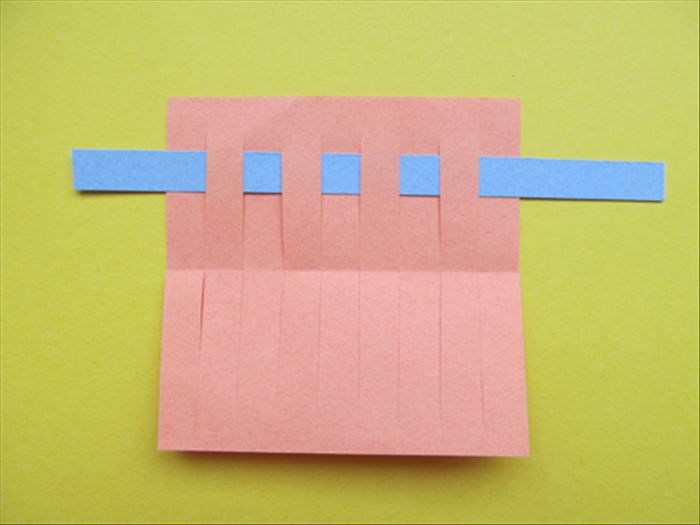
Take your first weaving strip. Starting from one end of your loom, carefully weave the strip through the slits you created. Follow an 'over, under, over, under' pattern. This means the strip goes over the first vertical piece of your loom, under the next, over the next, and so on. Once the strip is woven all the way across, gently push it up until it sits snugly against the folded edge of your loom base.
Continue Weaving with Alternating Pattern
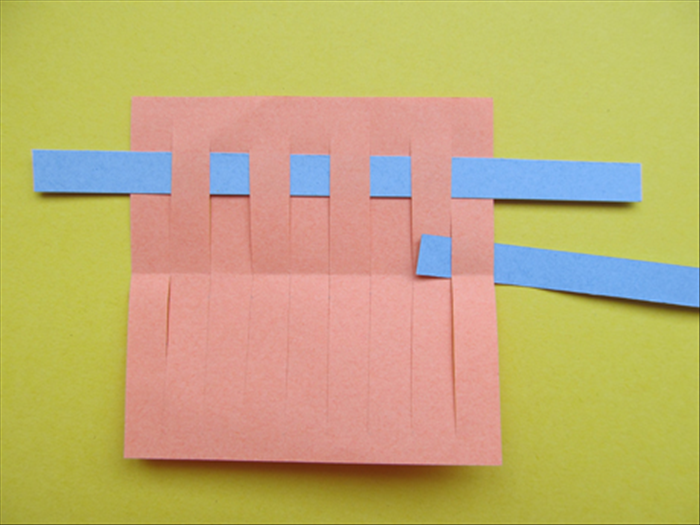
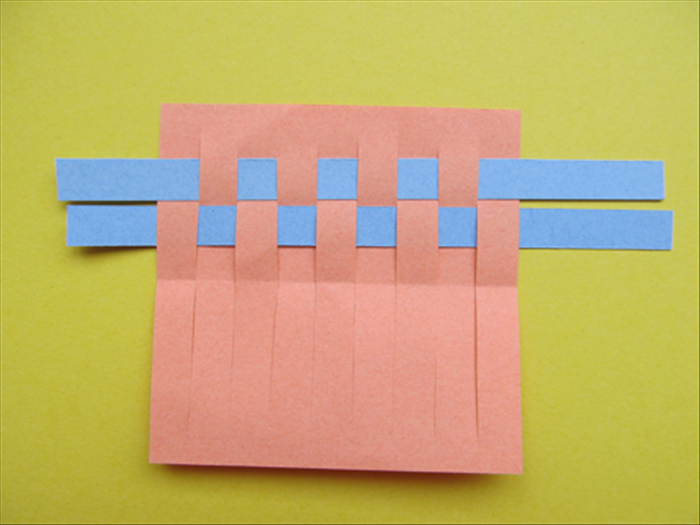
For your second weaving strip, you'll reverse the pattern. If your first strip started by going *over* the first loom piece, your second strip will start by going *under* the first loom piece. Continue this alternating 'under, over, under, over' pattern across the loom. Push this strip snugly against the first woven strip. Keep repeating this process, making sure each new strip alternates the over-under pattern of the one before it. This creates the classic woven look.
Don't limit yourself to just over-under! Experiment with 'over-two, under-two' or other simple patterns to create unique textures and designs within your weave.
Secure Your Weave
Once all your loom slits are filled with woven strips, you'll need to secure your masterpiece. Carefully trim any excess length from the weaving strips that extend beyond the edges of your loom base. Then, using a glue stick or craft glue, gently lift the edges of the woven strips on the back of your loom base and secure them in place. This prevents your beautiful weave from unraveling.
Think Outside the Box: Creative Weaving Ideas
Basic paper weaving is just the beginning! To truly make your artwork unique, start 'thinking outside the box':<ul><li>Vary Strip Dimensions: Instead of uniform strips, cut some wider, some thinner, or even use different lengths to create a more abstract or textured design.</li><li>Mix Materials: Beyond paper, try weaving with thin ribbons, fabric scraps, yarn, dried grass, or even flattened plastic bags for an eco-friendly twist.</li><li>Play with Color and Texture: Create gradients, bold contrasts, or subtle shifts using different colored papers. Incorporate patterned papers, glossy magazine pages, or textured cardstock.</li><li>Shaped Looms: Instead of a simple rectangular base, try cutting your loom base into a circle, heart, or abstract shape before making your slits. This will result in a more dynamic final piece.</li><li>Add Embellishments: Once woven, glue on beads, buttons, glitter, or small found objects to add extra flair.</li><li>Integrate Personal Touches: Weave in strips of old letters, printed photos, or personal drawings to tell a story through your art.</li><li>Create Functional Items: Weave larger pieces to create placemats, decorative covers for notebooks, or even small baskets (with a sturdier base).</li><li>Layer and Combine: Weave multiple small pieces and then combine them into a larger collage or mural.</ul>
Paper weaving is a wonderfully accessible and versatile craft that offers both a relaxing activity and a gateway to artistic expression. From simple, elegant designs to complex, mixed-media masterpieces, the possibilities are only limited by your imagination. Enjoy the process of transforming simple paper into something truly special, and don't be afraid to experiment and develop your own unique weaving style!