How to Make a Paper Hexaflexagon
Cut a 2×24 inch paper strip, mark 19 equilateral triangles, accordion-fold, glue the tab, then flex to cycle faces.
What You'll Need
- Paper strip ~2 × 24 inches (A4/letter or cardstock)
- Glue stick or double-sided tape
- Craft scissors
- Ruler 12 inch
- HB pencils (pack)
Paper and a glue stick — that’s the build.
A hexaflexagon is a glued loop of equilateral triangles that flips through six faces when you pinch and push. One strip about 2 × 24 inches (5 × 60 cm), 19 triangle segments, glue on the last tab. Cardstock ~160–200 gsm lasts longer than thin printer paper.
Cut the strip
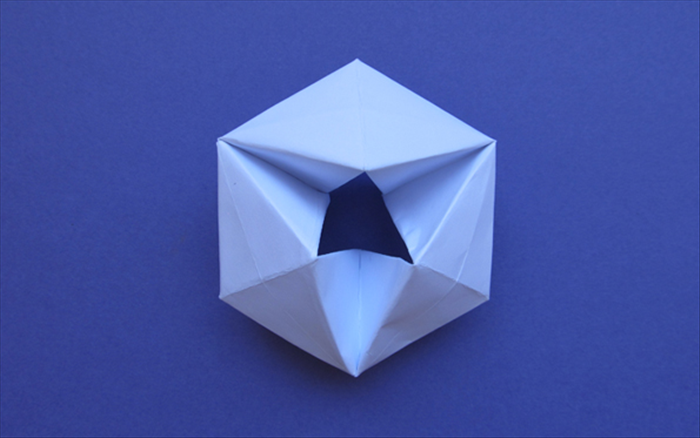
Mark and cut a strip about 2 inches (5 cm) wide and 24 inches (60 cm) long. Straight edges matter for clean flexing.
Mark 19 triangles
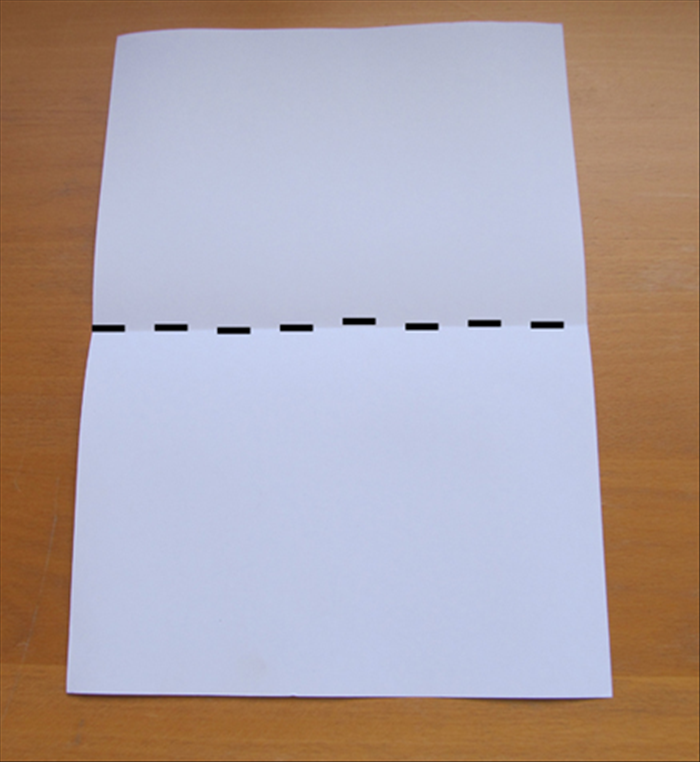
Along the strip, mark 19 segments each as long as the strip width (e.g. 2 inch marks on a 2 inch strip). Draw diagonals so you get a run of equilateral triangles (zigzag V shapes touching top and bottom edges). Last segment is the glue tab. Keep pencil lines light.
Accordion-fold
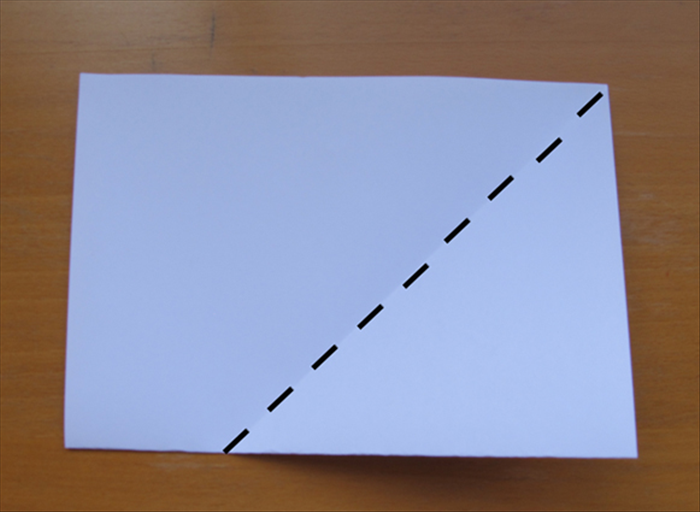
Fold on every marked line into a zigzag of triangles — mountain and valley folds as needed. Crease sharp (fingernail or ruler edge). Align edges carefully.
Sharp creases = smoother flex later. Re-crease any soft fold before gluing.
Glue into a loop
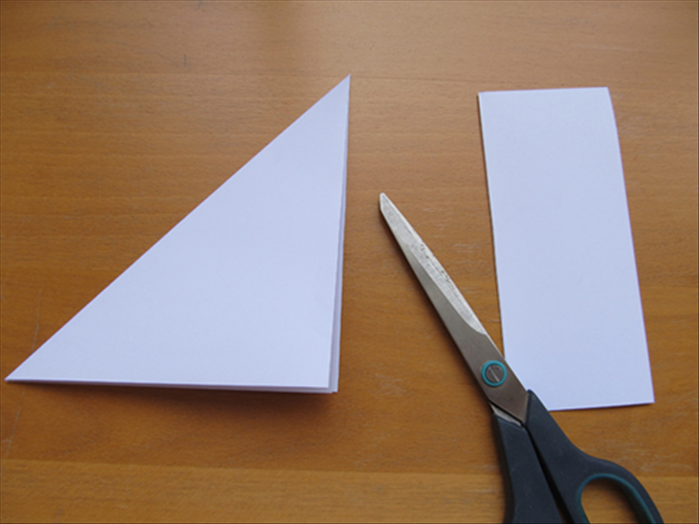
Apply a thin layer of glue stick (or a small piece of double-sided tape) on the final triangle tab. Bring the other end around to form a hexagon loop, align edges, press. Minimal glue — excess stiffens the toy. Let glue dry before flexing.
Too much glue locks the folds. Wait until the tab is dry before the first flex.
Flex it
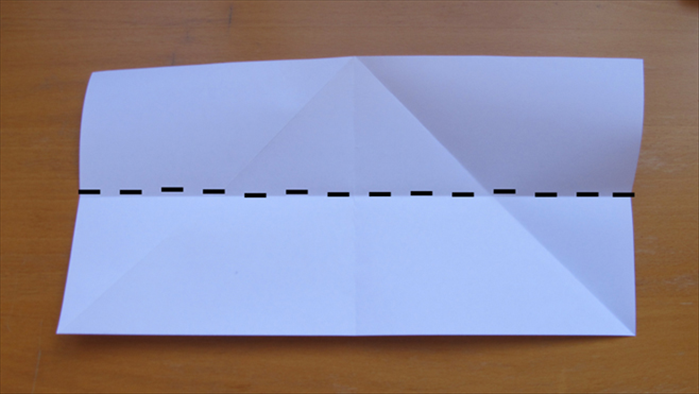
Hold two adjacent outer points. Push them toward the center so the model buckles and a new face opens. Rotate and repeat to cycle faces. If stiff, massage the folds gently; it loosens with use.
Decorate faces before assembly if you want drawings on each side — color while the strip is flat.