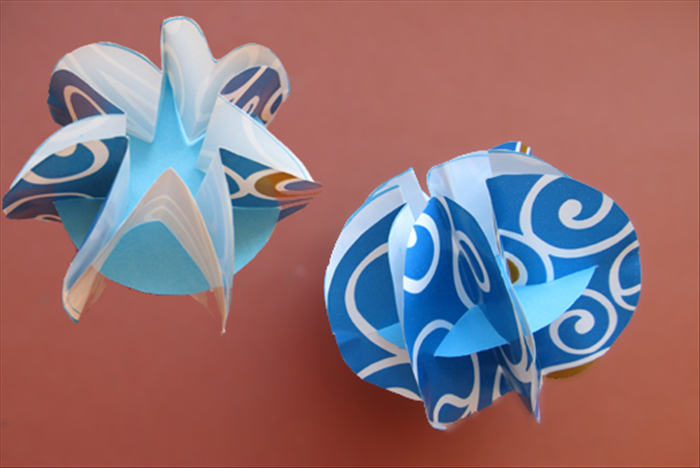
How to Make Paper Polyhedra: Easy DIY Geometric Shapes Tutorial
Learn to create stunning 3D geometric shapes from paper. This guide covers materials, step-by-step instructions, and educational insights into polyhedra.
What You'll Need
- **Paper:** Square sheets of paper are essential. Origami paper (6x6 inches or 15x15 cm) is ideal due to its consistent weight and square shape. Cardstock can also be used for sturdier models, but may require scoring for crisp folds. For beginners, starting with a size that's easy to handle is recommended.
- **Adhesive:** A glue stick or craft glue is perfect for securely joining your paper units. Ensure it dries clear if possible.
- **Optional: Decorative Paper:** Experiment with different colors, patterns, or textures to make your polyhedra truly unique.
- **Ruler:** For measuring and scoring straight lines.
- **Pencil:** For marking fold lines or glue tabs.
- **Scissors or Craft Knife:** To cut paper accurately (if not using pre-cut squares). If using a craft knife, always use a cutting mat.
- **Optional: Scoring Tool/Bone Folder:** A scoring tool helps create clean, crisp fold lines, especially on thicker paper. A bone folder assists in flattening folds.
- **Optional: Cutting Mat:** Protects your work surface if using a craft knife.
Welcome to the fascinating world of paper polyhedra! This guide will walk you through the process of creating beautiful and complex 3D geometric shapes using simple paper folding and assembly techniques. Whether you're a seasoned crafter, a geometry enthusiast, or looking for a fun and educational activity for kids, making paper polyhedra is a rewarding project that combines art, mathematics, and fine motor skills. You'll learn fundamental folding techniques, understand basic geometric principles, and create impressive 3D models. The estimated time for completion of a basic polyhedron ranges from 1-3 hours, depending on complexity and experience.
Prepare Individual Paper Units (Sonobe Module)
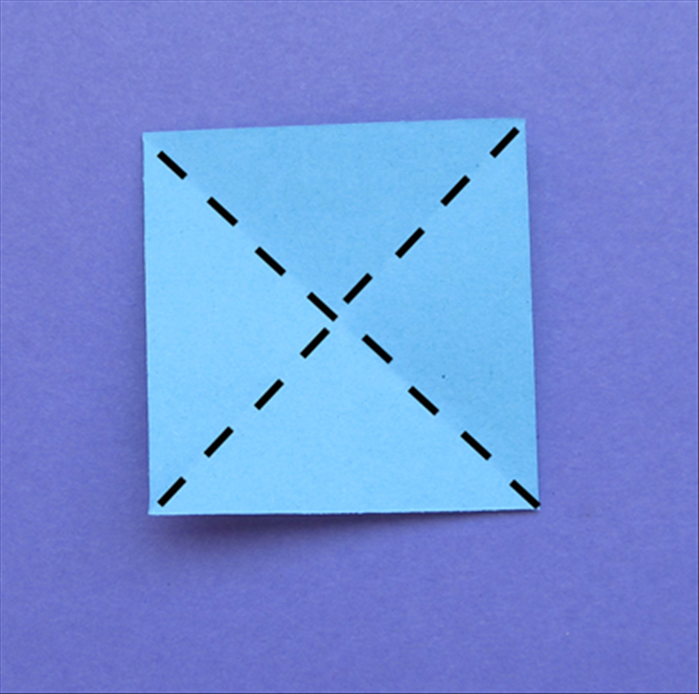
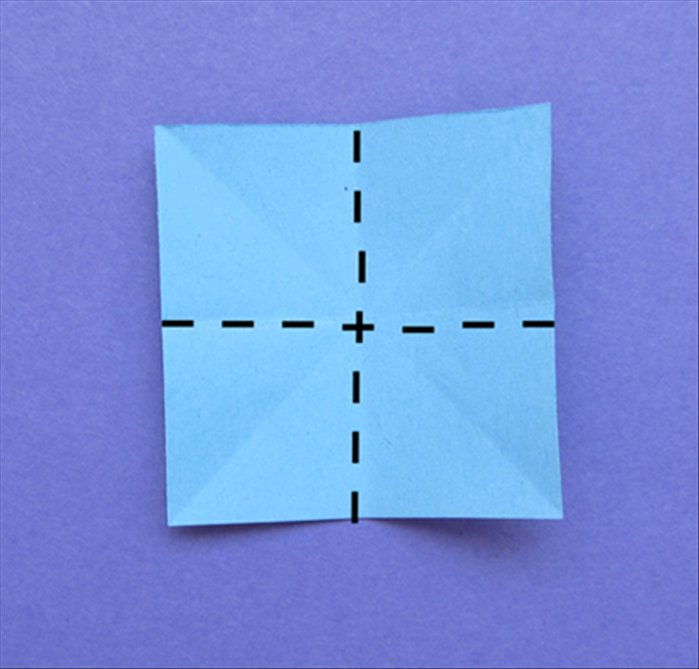
The Sonobe module is a popular and versatile unit for constructing polyhedra. Accuracy in this step is crucial for the structural integrity and aesthetic appeal of your final shape. We'll start by making one unit.
Precision is key! Take your time with each fold. Even slight inaccuracies can lead to a wobbly or misaligned polyhedron. A bone folder can be incredibly helpful for crisp creases.
Assemble a Basic Tetrahedron
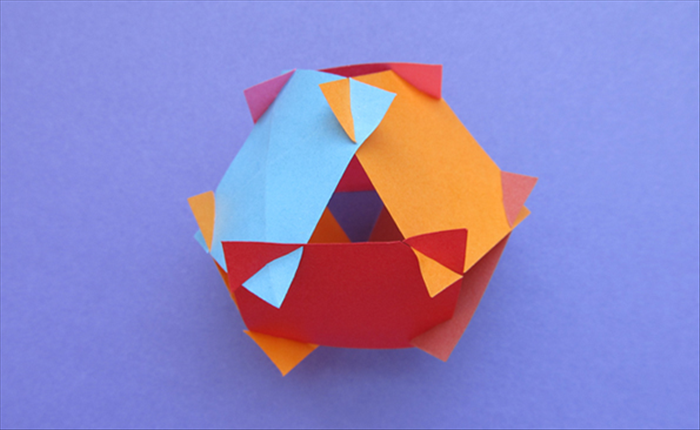
Let's start with a simple tetrahedron, a fundamental polyhedral shape with four faces. You will need three identical Sonobe units for this.
Use glue sparingly! Too much glue can make the paper soggy, weaken the joints, and extend drying time. A thin, even coat is sufficient for a strong bond.
Construct More Complex Polyhedra
Once you've mastered the tetrahedron, you can apply the same modular assembly principles to create more complex and impressive shapes.
Always allow ample drying time for the glue between connections, especially when building larger models. Rushing the drying process can cause your polyhedron to fall apart.
Tips for Success
Achieving sturdy, symmetrical, and aesthetically pleasing paper polyhedra comes down to a few key practices:
Troubleshooting Common Issues
Even experienced crafters encounter challenges. Here's how to address them:
Making polyhedra is not just a craft; it's a journey into geometry and mathematical art. Once you're comfortable with the basics, there's a whole world to explore:
Dive deeper into the mathematical and creative aspects. You can experiment with different types of paper, unit designs, and even create non-regular polyhedra. Research Euler's formula (V-E+F=2), which describes the relationship between vertices (V), edges (E), and faces (F) of any convex polyhedron. This connection between a hands-on craft and fundamental mathematical concepts makes this hobby truly enriching. You can also explore different modular origami techniques for constructing other geometric forms. Consider researching other papercraft projects or basic origami techniques to further enhance your skills.
Paper polyhedra make fantastic decorations, educational tools, or unique gifts. Enjoy the process of bringing these beautiful geometric forms to life!