How to Paint an Easy Abstract Acrylic Lake Scene for Beginners
Learn to create abstract acrylic art. This beginner-friendly guide covers materials, techniques, and step-by-step instructions for an abstract lake scene, perfect for home decor.
What You'll Need
- Heavy body or fluid acrylic paints (blues, greens, grays, whites, browns/ochres)
- Stretched canvas or canvas board (any size)
- Variety of acrylic brushes (large flat or wash brush, smaller flat and round brushes, filbert brush)
- Palette or disposable palette paper
- Water cup
- Paper towels or rags
- Drop cloth or newspaper
Abstract painting is a way to add modern art to your home decor without spending much. This guide shows you how to paint an abstract lake scene using acrylics.
Gather Your Supplies
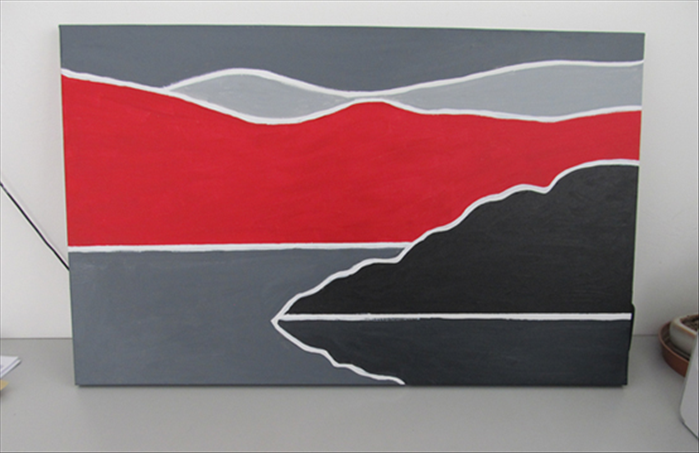
Have all materials and tools within reach. For paints, choose a range of blues (sky blue, navy, turquoise), greens, grays, whites, and browns/ochres.
Prepare Your Workspace
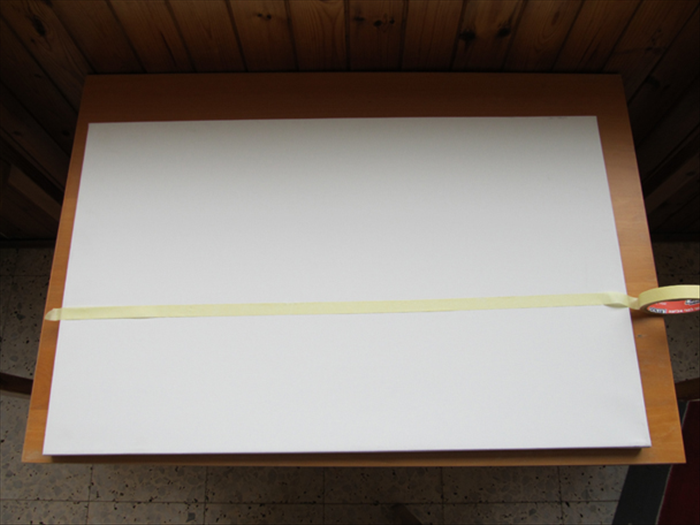
Choose a clean, well-lit area. Lay down newspaper, plastic sheeting, or a drop cloth to protect surfaces. Ensure good ventilation.
Ventilation
Always ensure adequate ventilation when painting, especially with acrylic mediums or varnishes. Open windows or work in a well-ventilated room.
Conceptualize Your Scene
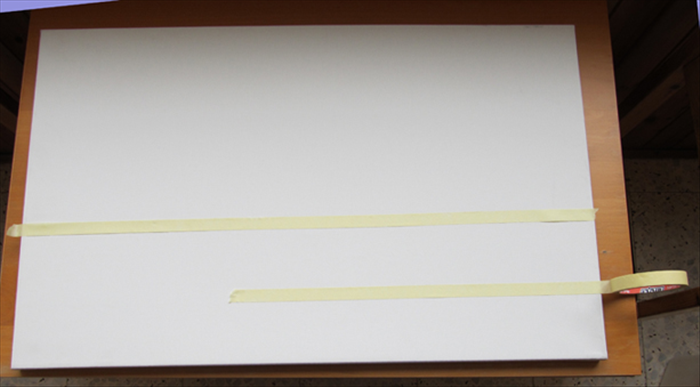
Visualize your abstract lake scene. Decide the mood: calm, stormy, or vibrant. Choose a color palette; blues and greens are classic. Keep it simple.
Embrace Spontaneity
Don't get caught up in making it look 'right'. Abstract art thrives on spontaneity. If stuck, look at reference photos for color ideas.
Apply Base Layers: Sky and Water
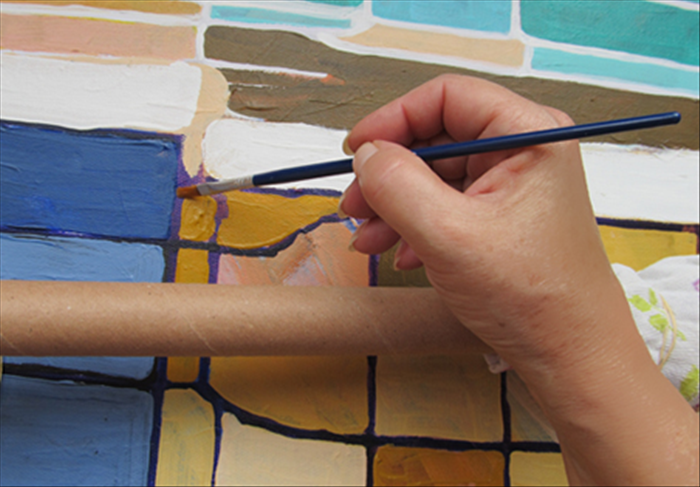
Using a large flat or wash brush, apply a base layer for the sky (e.g., light blue) and water (e.g., darker blue or teal). Work quickly to keep the paint wet for blending.
Add Abstract Shapes and Blending
While the base is wet, add abstract shapes for clouds, hills, and reflections. Use a filbert brush to blend edges. Layer colors like white, gray, and green to create depth.
Add Details and Highlights
With smaller brushes, add highlights on the water, tree silhouettes, or rocks. Use dry brushing for texture. Let the painting dry completely.
Finishing
Once dry, consider a varnish for protection. Sign your work. Display or gift as desired.