DIY Mahl Stick: Make Your Own for Steady Painting & Drawing
Learn how to easily make your own mahl stick to keep your hand steady while painting or drawing. Prevent smudges and improve your artwork with this simple DIY artist tool.
What You'll Need
- Wooden dowel or old broom handle (approx. 3/4 inch diameter, 24-36 inches long)
- Soft material for the head (e.g., cork ball, rubber stopper, old tennis ball, dense felt, leather scrap)
- Strong adhesive (epoxy, super glue, construction adhesive)
- Sandpaper (medium to fine grit)
- Optional: Fabric, leather strip, or grip tape for the handle
- Optional: Paint or wood stain for personalization
- Saw or dowel cutter (if modifying dowel length)
- Utility knife or scissors (for cutting soft material)
- Clamps or heavy objects (to hold pieces while glue dries)
Are you an artist who struggles with keeping a steady hand while working on intricate details? Do you often find yourself accidentally smudging wet paint or delicate pencil lines? A mahl stick is a time-tested artist's tool designed to provide a stable resting point for your dominant hand, giving you unparalleled control and preventing unwanted marks. Instead of buying one, why not craft your own custom mahl stick right at home? This DIY guide will walk you through the simple steps to create an essential aid for your painting and drawing endeavors, enhancing your precision and protecting your artwork.
Estimated Time: 30 minutes - 1 hour (plus adhesive drying time)
1. Gather Your Materials
Ensure you have all the necessary items laid out before you begin construction. This will make the process smooth and efficient. Choosing the right materials is key to a comfortable and effective mahl stick. For the stick itself, a sturdy wooden dowel or an old broom handle works perfectly. For the soft head, consider materials like a cork ball, a rubber stopper, a dense piece of felt, or even half of an old tennis ball. The goal is a material that is non-abrasive and won't damage your artwork.
2. Prepare the Dowel/Stick
If your dowel isn't already the desired length, use a saw or dowel cutter to cut it. A comfortable length for most artists ranges from 24 to 36 inches, but you can customize it to suit your typical workspace and preferred working distance from your canvas. Once cut, use sandpaper to smooth any rough edges on the dowel, especially the ends. You can also lightly sand the entire surface of the dowel for a smoother, splinter-free finish. This step is important for both comfort and safety.
When determining the length, consider the size of your typical canvases or drawing boards. A longer stick offers more reach, while a shorter one might be better for tabletop work.
3. Attach the Soft End
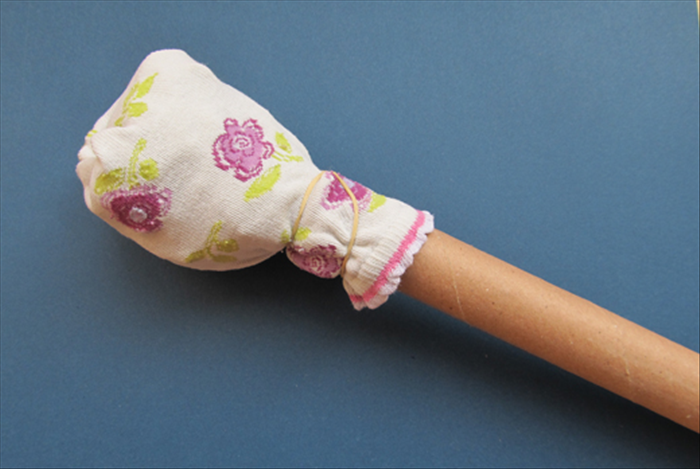
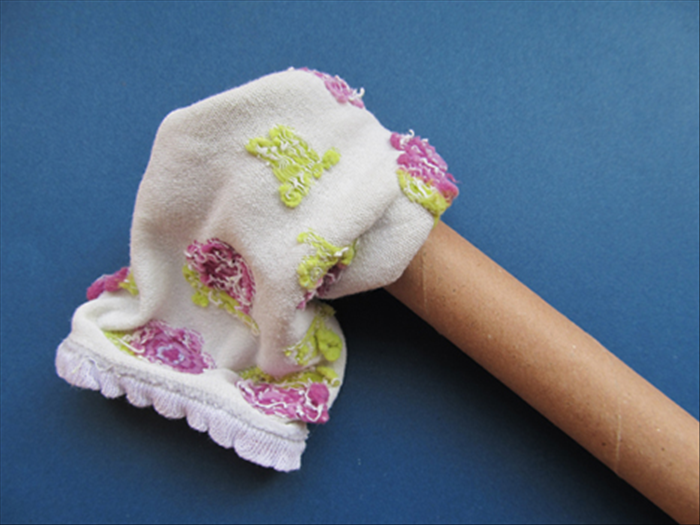
This is a crucial step for the functionality of your mahl stick. Take your chosen soft material (e.g., cork, rubber, felt) and securely fasten it to one end of the prepared dowel. Apply a strong adhesive generously to ensure a firm bond. If using a cork or rubber ball, you might need to carve a small indentation in it for the dowel end to fit snugly before applying glue. For flat materials like felt or leather, wrap and glue them around the end, creating a soft, padded cap. Use clamps or heavy objects to hold the pieces together while the adhesive dries completely, following the manufacturer's recommendations. This usually takes several hours.
Always work in a well-ventilated area when using strong adhesives. Read the adhesive's safety instructions carefully and wear gloves if recommended.
4. Finish and Personalize (Optional)
Now that the basic construction is complete, you can add personal touches. For improved grip and comfort during long sessions, wrap the handle section with fabric, grip tape, or a leather strip. This also adds a nice aesthetic. You can also paint or stain the wooden stick to match your studio decor or simply make it uniquely yours. Let your creativity flow!
5. How to Use Your Mahl Stick
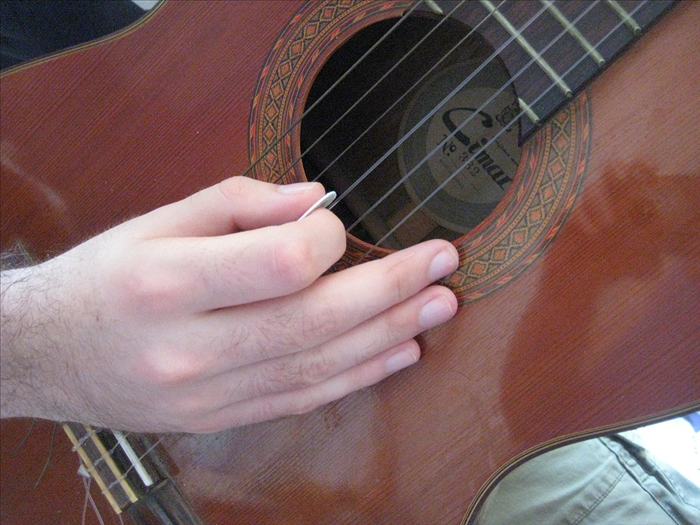
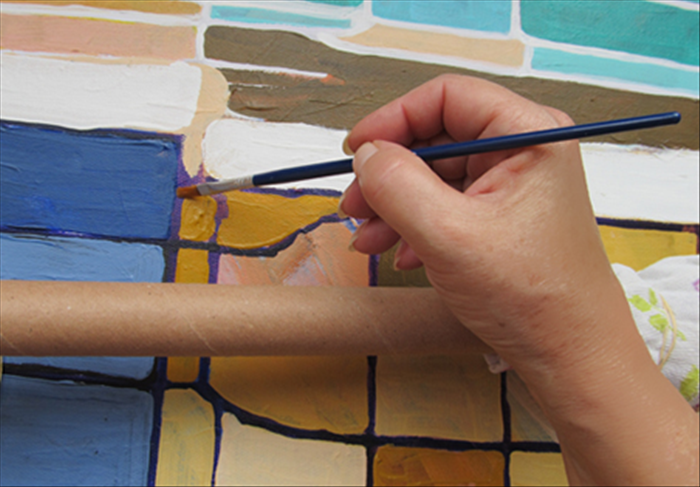
Using a mahl stick is straightforward and will quickly become second nature. Hold the mahl stick in your non-dominant hand. Gently rest the soft, padded end on a stable surface near your working area – this could be a dry part of your artwork, the edge of your canvas, your easel, or even a tabletop. Now, use the stick as a stable bridge for your dominant hand or wrist. This provides a steady support, allowing you to execute fine details without direct contact with your delicate artwork, preventing smudges and shaky lines.
Always ensure the soft end of your mahl stick is clean before resting it on your artwork. Even a small speck of dust or dried paint could transfer to your piece.
6. Maintain and Store Your Mahl Stick
Proper maintenance will ensure your DIY mahl stick lasts for years. Regularly inspect and clean the soft end, especially if you've been working with pastels or charcoal, to prevent pigment transfer. You can usually wipe it with a damp cloth or a dry brush. When storing, avoid compressing the soft end, which could deform it. Hang your mahl stick on a hook or lay it flat where it won't be easily damaged or stepped on.
7. Mahl Stick Variations & Customization Ideas
Once you've made your first mahl stick, you might think about how to customize it further:
Adjustable Length: Create a two-piece mahl stick that screws together in the middle. This allows for easy transport and the ability to adjust the length for different projects or working positions. You could use threaded inserts and a bolt for this.
Weighted End: Some artists prefer a mahl stick with a bit more heft for balance. You can insert a small weight (like lead fishing sinkers or metal washers) into the handle end of the dowel before sealing it.
Different Soft Ends: Experiment with various materials for the head. For very delicate surfaces, a plush felt or velvet might be preferred. For rougher canvases, a firmer rubber could be more durable. You could even create interchangeable soft heads.
A homemade mahl stick is an inexpensive yet invaluable addition to any artist's toolkit. With a little DIY effort, you can create a sturdy, comfortable, and personalized tool that will significantly enhance your precision and protect your artwork from unwanted smudges. Happy creating!