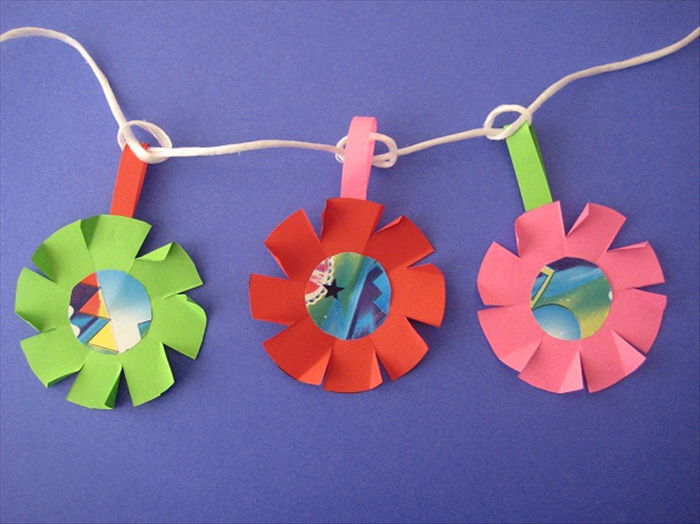
DIY Flowers from Plastic Bags: Make Plarn & a Cardboard Loom
Learn how to transform discarded plastic bags into beautiful, eco-friendly flowers with this step-by-step guide. Discover how to make plarn (plastic yarn) and construct a simple cardboard flower loom, then weave stunning upcycled plastic bag flowers for home decor or crafts.
Transform everyday plastic bags into charming, reusable flowers with this comprehensive DIY guide! Not only is this a fantastic way to upcycle and reduce plastic waste, but it also allows you to create unique, vibrant decorations for your home, gifts, or accessories. In this project, you'll learn how to create your own "plarn" (plastic yarn), construct a simple flower loom from cardboard, and then weave beautiful, no-sew flowers.
Step 1: Make Your Plarn (Plastic Yarn)
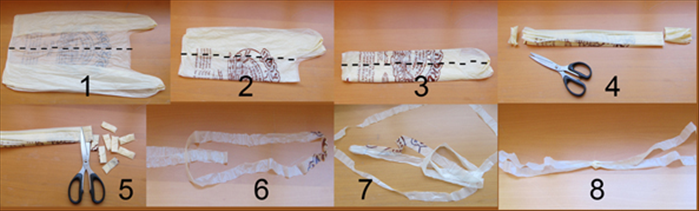
First, gather your clean, dry plastic bags. Lay a bag flat and smooth out any wrinkles. Fold the bag lengthwise several times until it forms a strip about 2-3 inches wide. Cut off the handles and the sealed bottom seam of the bag. Now, cut the folded bag into 1-inch wide loops. You can use a ruler and marker to mark your cuts for consistency. Open each loop and connect them by looping one through another and pulling the end through its own loop, creating a knot. Continue this process until you have a long strand of plastic yarn, or "plarn."
Experiment with different colored plastic bags to create multi-colored plarn, or combine different types of bags for varied textures. For stronger plarn, cut wider strips.
Step 2: Construct Your Cardboard Flower Loom
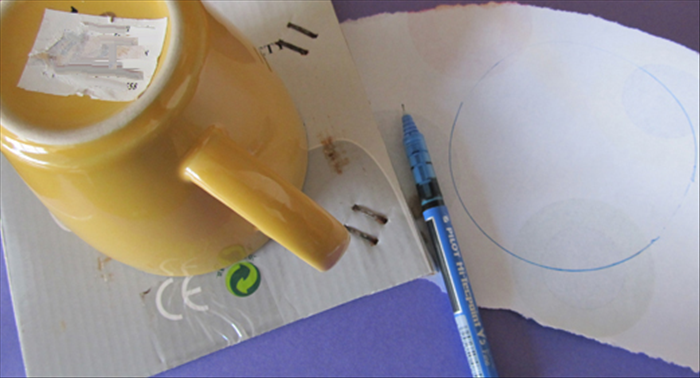
Take a piece of sturdy cardboard. Use a compass or two round objects to draw two concentric circles on the cardboard. The inner circle will be the center of your flower, and the outer circle will define its petal length. A good starting size is an inner circle of 1.5 inches in diameter and an outer circle of 5 inches in diameter. Cut out the larger circle. Along the outer edge of the cardboard circle, make evenly spaced notches or slits, about 0.5 inches deep. Aim for 12-24 notches, depending on the desired fullness of your flower. The more notches, the denser your flower will be.
For precise notches, use a ruler to mark even intervals around the circumference. A craft knife can make cleaner slits than scissors, but always use a cutting mat and exercise caution.
Always supervise children when using scissors or craft knives. Ensure a stable cutting surface to prevent accidents.
Step 3: Weave Your Plastic Bag Flower
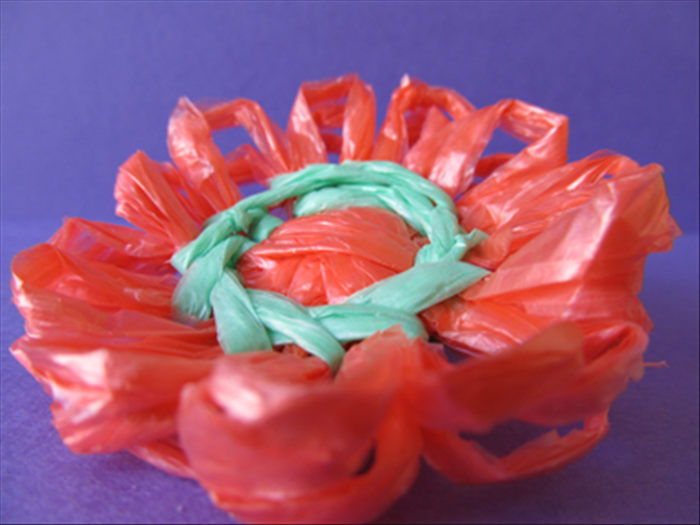
Take your plarn and tie one end to a notch on your cardboard loom. Begin wrapping the plarn across the loom, threading it into the opposite notch, then around the back, and into the next available notch. Continue wrapping, always passing the plarn through the center and alternating between notches until all notches have plarn strands radiating from the center like spokes on a wheel. Once all spokes are in place, start weaving! Weave your plarn around the center spokes, going over one spoke and under the next, working in a spiral from the center outwards. Push the plarn down firmly as you weave to create a tight, full flower. When you run out of plarn, simply tie on a new piece and continue weaving. Once your flower reaches the desired size, carefully cut the plarn from the ball, leaving a tail. Use a large-eye needle or crochet hook to weave the tail into the back of the flower to secure it. Carefully slip the plarn loops off the notches of the loom. You can tie the loose ends together on the back to further secure the flower.
To add an extra touch, use a contrasting color of plarn for the final few weaving rounds to create a decorative edge. You can also weave in beads or other small embellishments as you go.
Congratulations, you've just created beautiful flowers from recycled plastic bags! These versatile flowers can be used for a variety of purposes: adornment for gift wrapping, unique brooches, embellishments for bags or hats, or even strung together to make garlands. Experiment with different bag colors, plarn widths, and loom sizes to create an entire garden of eco-friendly blooms. This project is a wonderful way to give plastic a second life and unleash your creativity!